pharmaceutical machineries, packing materials and

prueba de pcr para perros
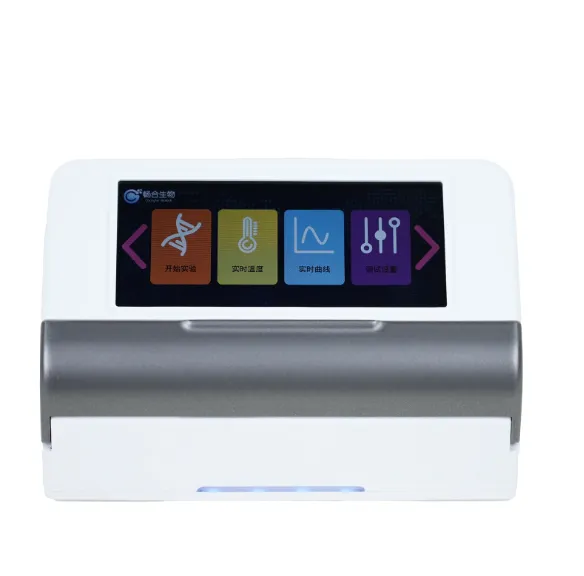
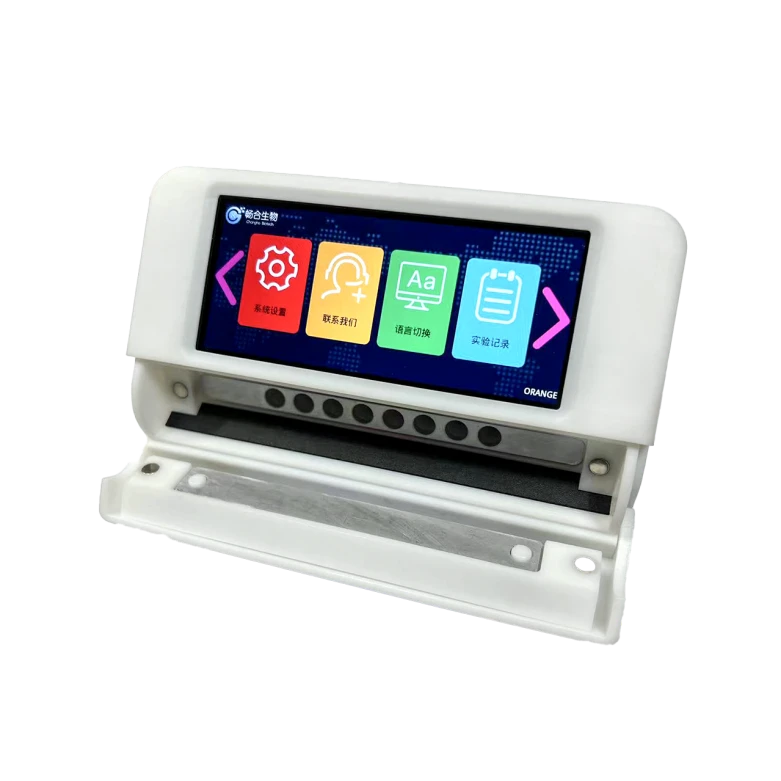
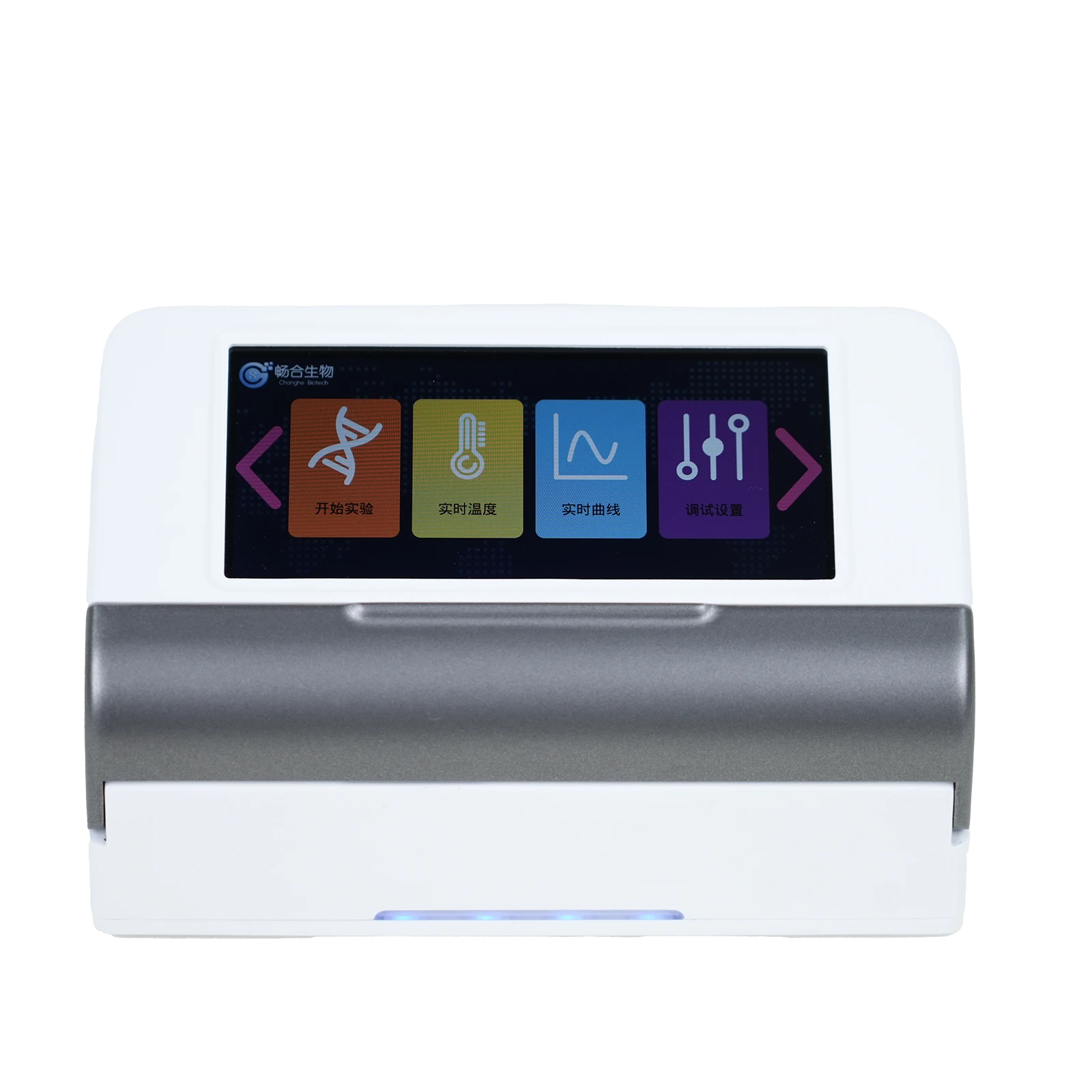
The rapid adoption of PCR tests for dogs has transformed veterinary diagnostics, enabling early detection of diseases like parvovirus, Lyme disease, and canine influenza. However, the reliability of these tests hinges on stringent regulatory standards—especially for wholesalers producing and distributing mini PCR devices and canine PCR test kits at scale. This article explores the regulatory frameworks governing these tests, challenges in bulk compliance, and strategies to maintain quality across global supply chains. Standardization of Mini PCR Protocols in Veterinary Diagnostics Standardized protocols are vital for mini PCR devices used across diverse settings, from rural clinics to urban animal hospitals. Organizations like the Clinical Laboratory Improvement Amendments (CLIA) provide guidelines for: Sample collection and storage.Threshold cycles (Ct values) for pathogen detection. Calibration of thermal cyclers in canine PCR test kits. Wholesale suppliers often pre-configure mini PCR systems with locked protocols to minimize user error. For example, a Canadian distributor reduced false positives by 18% after standardizing DNA extraction methods across its PCR test s for dogs . However, over-standardization risks stifling innovation, prompting regulators to balance flexibility with reliability. Therefore, some suppliers now offer customizable mini PCR systems that allow researchers to tweak protocols based on their specific needs, while still ensuring accuracy and reproducibility. This approach not only maintains the reliability of test results but also fosters innovation in the field of molecular diagnostics. Ensuring Accuracy in PCR Tests for Dogs: Validation and Quality Control Validation is the cornerstone of credible canine PCR test . Manufacturers must: Conduct analytical specificity studies to avoid cross-reactivity with non-target pathogens. Perform sensitivity testing to detect low viral loads (e.g., parvovirus in asymptomatic dogs). Validate shelf-life under varying temperatures for global distribution. Wholesale operators implement statistical quality control (QC) measures, such as: Including internal positive controls in every mini PCR batch. Using third-party reference labs to audit random test lots. Monitoring supply chains for temperature excursions affecting reagent stability. Global Regulatory Variations for Canine PCR Test Distribution Navigating international markets requires adaptability. Key regulatory bodies include: European Union: CE marking under the In Vitro Diagnostic Regulation (IVDR), requiring clinical performance evaluations. Australia: Therapeutic Goods Administration (TGA) mandates inclusion of local pathogen strains in validation studies. Japan: Pharmaceuticals and Medical Devices Agency (PMDA) enforces strict labeling requirements for mini PCR kits. For wholesalers, these variations mean customizing canine PCR test kits for each region—a costly but necessary step. The customization process involves understanding the specific regulatory demands and incorporating them into the design and labeling of the test kits. This ensures compliance and allows the kits to be used effectively in each market. While the initial investment may be high, the long-term benefits of having a product that meets the diverse needs of different regions outweigh the costs. The Role of Accreditation in Maintaining Trust in Canine PCR Testing Accreditation by bodies like the American Animal Hospital Association (AAHA) or ISO/IEC 17025 bolsters confidence in PCR tests for dogs . Criteria include: Proficiency testing via blind samples. Transparent reporting of false positives/negatives. Continuous staff training on mini PCR technology. Wholesale distributors partnering with accredited labs gain a competitive edge. FAQ: Navigating Regulatory Complexities in Canine PCR Tes t What regulatory body oversees PCR tests for dogs in the United States? The FDA’s Center for Veterinary Medicine (CVM) regulates PCR tests for dogs , classifying them as medical devices under the Federal Food, Drug, and Cosmetic Act. How do mini PCR devices meet regulatory standards for canine testing? Mini PCR systems undergo analytical validation to prove accuracy and precision. Manufacturers must also comply with GMP and labeling requirements for bulk distribution. Are canine PCR test required to undergo premarket approval? Class I devices may be exempt, but most canine PCR test kits fall under Class II, requiring 510(k) clearance. Novel tests targeting emerging pathogens often need Class III PMA. What challenges do wholesalers face in distributing canine PCR test internationally? Varied regulatory requirements, strain-specific validation, and logistics (e.g., cold-chain storage) complicate global distribution. CE marking, TGA approvals, and PMDA compliance add costs and delays. How does accreditation impact the wholesale market for PCR tests for dogs? Accreditation (e.g., ISO 17025) assures bulk buyers of quality, enabling suppliers to command premium pricing and secure contracts with government agencies or corporate veterinary networks. For wholesalers, mastering regulatory standards for PCR tests for dogs is non-negotiable. From FDA compliance to global accreditation, these frameworks ensure that mini PCR devices deliver reliable, life-saving results at scale. As the demand for rapid canine diagnostics grows, suppliers who prioritize regulatory rigor will lead the market—proving that quality and safety are the ultimate competitive advantages. Understanding these standards not only aligns businesses with legal requirements but also builds trust with veterinarians and pet owners. It demonstrates a commitment to excellence and ensures that the technology used is at the forefront of veterinary care. By adhering to rigorous testing protocols and continuously updating practices to meet evolving regulations, wholesalers can guarantee that their PCR tests are not only effective but also reliable in diverse scenarios.
Our newsletters, the latest information about our products, news and special offers.
Click for manual-
 personnel
The company introduces a large number of talents, researches projects and is responsible for customers
-
Research
Professional research project team for different customer needs
-
technology
New technology transformation mode,research high quality products


The application prospect of bioaerosol sampler will further grow.